


A petition for mandatory standards governing the work, living conditions, medical treatment and lifelong care of animals used in tourism
A holiday should not be built on animal suffering.
A horse standing beside the pyramids. A camel carrying another group of tourists through the desert. An elephant transporting visitors through the jungle. A donkey waiting for hours beside a historic monument for the next ride.
In photographs, everything looks beautiful.
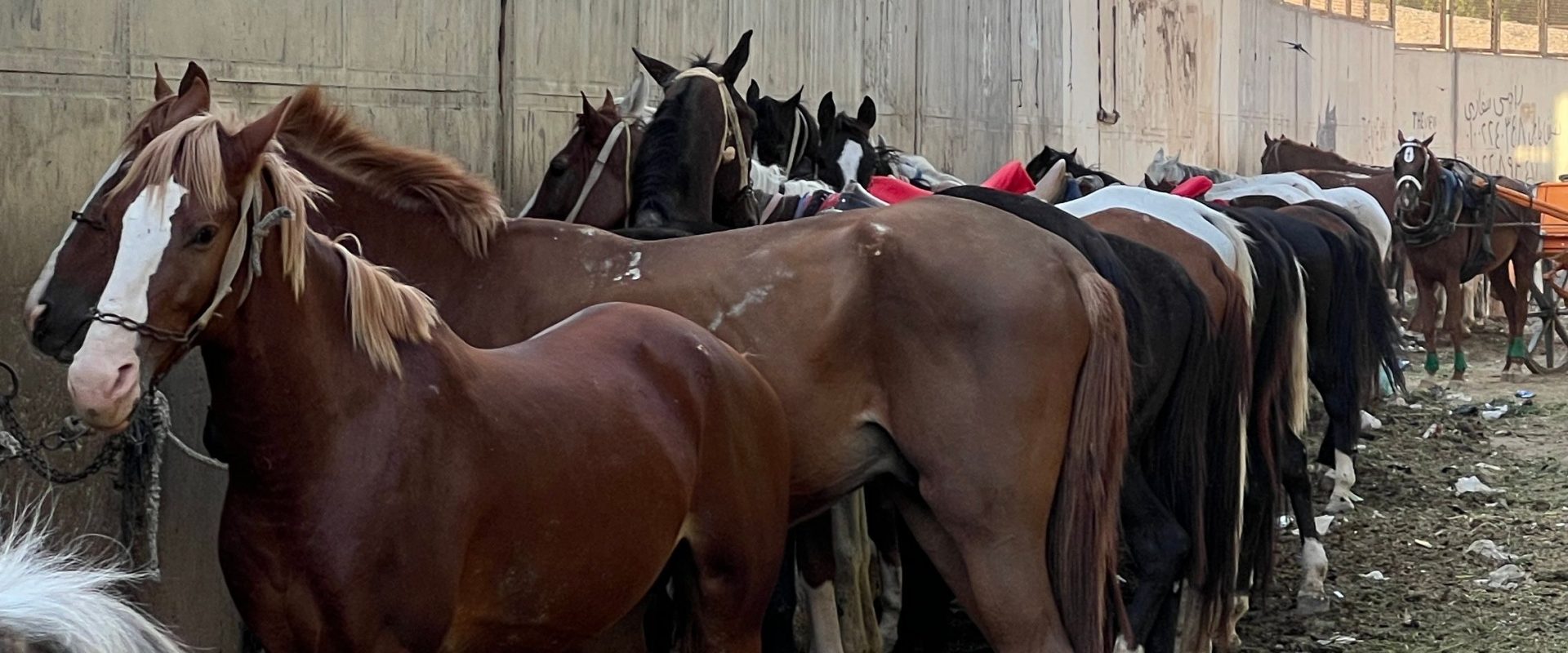
We see an exotic destination, smiling people and an animal presented as part of the local scenery. What we do not see are the long hours of work in extreme heat. The wounds hidden beneath saddles and harnesses. The thirst, exhaustion, pain and lack of rest. We do not see animals being forced to continue working despite illness or injury.
Nor do we see what happens afterwards.
What happens when the animal becomes too old, weak or sick to continue earning money? Who provides treatment? Who takes responsibility after years of labour? Who guarantees the animal a safe place when tourists no longer need it?
Too often, the answer is no one.
This petition concerns animals currently used in tourism without sufficient protection, clear standards or effective oversight. We are calling for enforceable rules that guarantee humane conditions, veterinary care, rest, safety and lifelong responsibility for every animal used by the tourism industry.
We are not attempting to settle the future of every form of animal-based tourism in a single sentence. But no activity should be allowed to operate through pain, overwork, untreated injury or the complete physical exhaustion of an animal. Where adequate welfare cannot be guaranteed, the practice should not be permitted.
If animals work for the tourism industry and generate income for people, they must be legally guaranteed humane working conditions, proper care, medical treatment, rest and protection throughout their lives.
An animal is not a vehicle, a decoration or part of a holiday package.
It is a living, sentient being. It experiences pain, exhaustion, thirst, fear and stress. It needs water, shade, appropriate food, rest, contact with members of its own species and living conditions suited to its biological needs.
If people profit from an animal’s work, they must also take responsibility for its health and future.
- A horse must not be forced to work for twelve or more hours simply because another group of tourists is waiting.
- A camel must not be made to continue walking despite wounds, lameness or dehydration.
- An elephant must not spend its life in chains, carrying people or performing for visitors.
- A donkey must not be abandoned or sold when age makes it less profitable.
Animals used in tourism work for people. Their health, safety and future cannot depend solely on the goodwill of an owner.
Clear, mandatory and enforceable standards are needed.
We call on the European Commission, relevant international tourism institutions and the governments of countries where animals are used in tourism to establish common standards for their protection.
We demand:
- Maximum working hours for animals.
Rules must establish permitted working hours, mandatory breaks, rest days and recovery periods, taking into account the animal’s species, age, condition, the temperature and the type of work performed. - A ban on working conditions that endanger health.
Animals must not be forced to work in extreme heat or without access to shade, water and adequate rest. - Permanent access to clean water and appropriate food.
No animal should work for hours without being able to drink, eat and recover. - Mandatory and regular veterinary care.
Animals must receive health checks and their condition must be documented. Any animal that is sick, injured, lame, exhausted or unfit for work must be immediately removed from service and treated. - Living conditions appropriate to the species.
Housing must provide sufficient space, freedom of movement, proper rest, protection from weather conditions, hygiene and species-appropriate social contact. - Regulation of equipment and permitted loads.
Saddles, harnesses, ropes and other equipment must not cause wounds or pain. Weight limits for passengers and loads must be established according to the animal’s species, age and physical condition. - A ban on violence and fear-based training methods.
Beating, electric shocks, starvation, painful restraint, harmful tools and other brutal practices must be clearly prohibited and punished. - Registration of animals and tourism operators.
Every animal must have identification and health records. Owners, attraction operators and companies using animals in tourism must be subject to regular and independent inspections. - Mandatory care after the animal’s working life ends.
An animal that has worked for people for years must not be abandoned, sold for slaughter or denied treatment when it stops generating income. A system must be created to guarantee lifelong care, medical treatment and a safe retirement. - Effective penalties for violations.
Standards cannot exist only on paper. Authorities must be able to inspect facilities, remove animals, suspend operations and impose meaningful penalties for neglect, overwork, lack of treatment and violence. - Responsibility for travel companies and tourism platforms.
Travel agencies, tour operators, hotels, airlines, booking platforms and advertisers should promote only attractions that meet established animal protection standards. - Honest information for travellers.
People booking trips should be told what conditions exist at an attraction, which standards it meets and whether the welfare of the animals used there is independently monitored.
Tourism advertising has enormous power.
An image of a horse, camel or elephant can encourage thousands of people to purchase a particular experience. That is why the industry’s responsibility does not end when a ticket is sold.
A company promoting an animal attraction should know how the animals live and work. It cannot profit from the attraction while distancing itself from the suffering that makes the experience possible.
We do not want to take livelihoods away from people or harm local communities that depend on tourism. We want to create a system in which income is not generated at the cost of an animal’s health and life. A system that helps responsible owners improve conditions, supports ethical businesses and removes from the market those who build profit on violence and neglect.
Tourism can be different.
It can respect local cultures, communities and animals.
It can generate income without taking away a living being’s right to rest, treatment and a life free from unnecessary pain.
For a tourist, it may be one ride.
One photograph.
One holiday memory.
For the animal, it is often another day in a lifetime of work.
And when the holiday ends, the animal remains.
With the same saddle.
The same burden.
The same pain.
And a future that depends on whether someone still considers its life valuable.
An animal that has worked for people for years must not lose everything the moment it stops generating income.
Sign this petition.
Help us create genuine protection standards for animals used in tourism.
We are not asking for the impossible.
We are asking for water, rest, medical care, safety, species-appropriate living conditions and responsibility for an animal until the end of its life.
Because a beautiful journey should never leave suffering behind.